



























Produits Recommandés
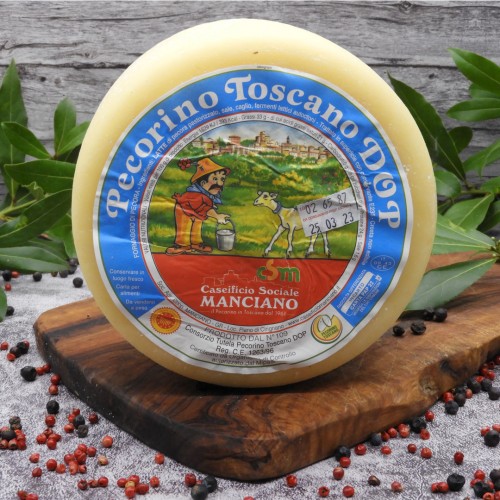


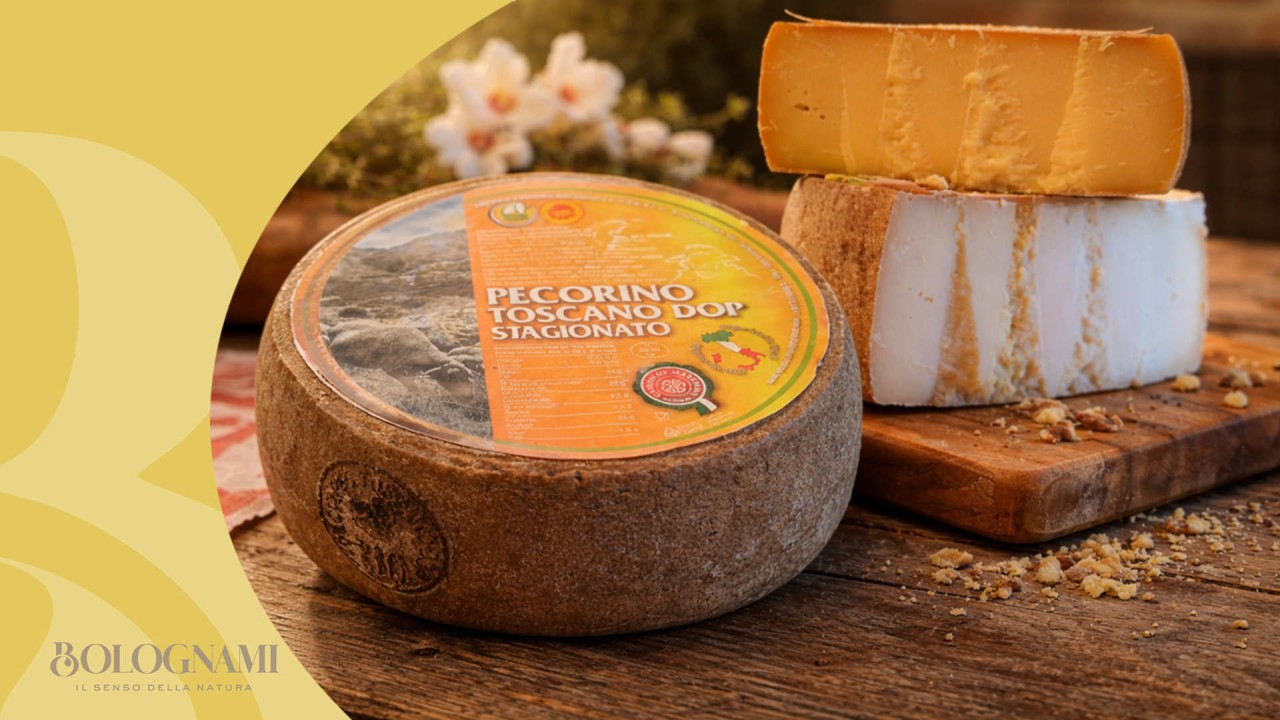
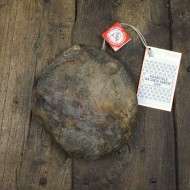
Pecorino Toscano D.O.P.
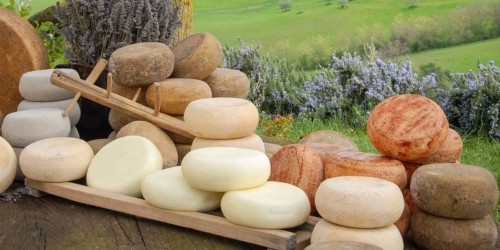
Le Pecorino Toscano D.O.P. est l'un des joyaux gastronomiques de la Toscane. Il s'agit d'un fromage à pâte dure ou semi dure produit exclusivement à partir de lait entier de brebis. Il a obtenu la prestigieuse reconnaissance européenne de l'Appellation d'Origine Protégée (A.O.P. / D.O.P.) en 1996. Cela signifie que chaque étape de sa production, de l'élevage des brebis jusqu'à l'affinage, doit rigoureusement se dérouler dans sa zone d'origine
L'Histoire du Pecorino Toscano D.O.P.
Le Pecorino Toscano D.O.P. est bien plus qu'un simple fromage: c'est un véritable morceau d'histoire de la Toscane, dont les racines plongent dans des temps très anciens. Son évolution témoigne du lien indissoluble entre le territoire, la nature et l'homme. Les Étrusques furent les premiers à perfectionner l'art de l'élevage et de la fabrication du fromage dans la région. Ils utilisaient la caillette des veaux ou des extraits végétaux (comme le cardon) en guise de présure pour faire coaguler le lait. Leurs fromages, ancêtres du pecorino, étaient fondamentaux pour l'alimentation quotidienne et servaient de monnaie d'échange. Sous l'Empire romain, la production s'est encore mieux structurée. De grands historiens et écrivains agronomes comme Pline l'Ancien et Columelle mentionnent dans leurs œuvres la production de fromages de brebis dans la région de l'Étrurie (l'actuelle Toscane), louant sa qualité et sa capacité de conservation, une caractéristique qui le rendait parfait pour les rations des soldats. Du Moyen Âge à la Renaissance, le Pecorino Toscano prit un nom bien précis: Cacio Marzolino. Il fut baptisé ainsi car sa production commençait traditionnellement au mois de mars (Marzo), avec l'arrivée du printemps et de l'herbe fraîche dans les pâturages. Pendant la Renaissance, le Marzolino devint un produit noble, incontournable lors des banquets de la seigneurie florentine. On raconte que Laurent le Magnifique en était un grand amateur et le considérait comme un mets délicat à offrir à ses invités illustres. Au XVe siècle, l'humaniste Bartolomeo Sacchi (dit Platina) écrivit un traité dans lequel il classa le Marzolino toscan parmi les deux meilleurs fromages d'Italie (aux côtés du Parmigiano), consolidant ainsi sa renommée nationale. Malgré le passage du temps et l'industrialisation, les bergers toscans ont su préserver intactes les techniques traditionnelles de fabrication, se les transmettant de génération en génération. Pour protéger cette tradition séculaire des imitations et garantir l'authenticité du produit aux consommateurs, des étapes législatives fondamentales ont été franchies :1986 : Reconnaissance de la D.O. (Dénomination d'Origine) nationale. 1996 : Le Pecorino Toscano obtient la prestigieuse D.O.P. (A.O.P.) au niveau européen. Création du Consortium de Tutelle du Pecorino Toscano DOP, qui veille au respect d'un cahier des charges de production très strict.
Le Cahier des Charges et un Lien Indissoluble avec le Territoire
Aujourd'hui, pour pouvoir arborer le nom de "Pecorino Toscano D.O.P.", le fromage doit suivre des règles extrêmement rigoureuses: La provenance du lait : Il doit s'agir exclusivement de lait de brebis, traité et trait uniquement dans la zone d'origine (qui comprend toute la Toscane ainsi que quelques communes limitrophes de l'Ombrie et du Latium). Une saveur unique : Son goût unique et reconnaissable entre tous doux et parfumé pour le type frais, et plus intense et piquant pour le type affiné provient précisément de la variété d'herbes et d'essences aromatiques dont se nourrissent les brebis dans les pâturages toscans. Les Deux Variantes Principales: Le Pecorino Toscano D.O.P. se présente sous deux variantes principales, qui se distinguent par leur temps d'affinage, leur consistance et leur saveur: Pecorino Toscano Tenero (À pâte tendre / fraîche). Affinage: Court, d'un minimum de 20 jours jusqu'à environ 45 jours. Caractéristiques: Il se caractérise par une fine croûte de couleur jaune paille clair. La pâte est blanche ou légèrement jaunâtre, souple et douce au toucher. Profil gustatif: Doux, délicat, avec des notes marquées de lait frais et de beurre. Accords : C'est le fromage de table par excellence. Il est parfait coupé en cubes pour l'apéritif ou les entrées, traditionnellement accompagné de gousses de fèves fraîches (un grand classique du printemps toscan), de tripes (centopelli) ou de légumes crus. Il se marie à merveille avec des vins blancs frais ou des vins rouges jeunes et légers (comme un Chianti de l'année). Pecorino Toscano Stagionato (À pâte dure / affiné). Affinage: Au minimum 4 mois (il peut parfois dépasser un an). Caractéristiques : Sa croûte est plus épaisse et tire vers le jaune soutenu ou le brun (elle est parfois frottée à l'huile d'olive ou à la tomate). La pâte est compacte, de couleur paille, et a tendance à devenir légèrement friable au fil des mois. Profil gustatif: Intense, savoureux et légèrement piquant, sans jamais être agressif. Des notes de fruits secs et de foin s'en dégagent. Accords: Excellent à déguster en fin de repas, associé à du miel de châtaignier, de la confiture de figues ou des mostardas (fruits confits à la moutarde) artisanales. Il est également idéal à râper sur les plats de pâtes traditionnels (comme les Pici ou les Tortelli) ou pour préparer de fantastiques pâtes à la Carbonara ou à l'Amatriciana. Il exige des vins rouges structurés et de garde, tels qu'un Brunello di Montalcino, un Vino Nobile di Montepulciano ou un Morellino di Scansano Riserva. Chez Bolognami, nous vous proposons notre Grande Sélection d'Excellence pour ce produit merveilleux. Buon appetito!
Laissez un Commentaire