








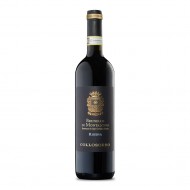
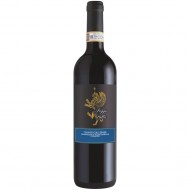



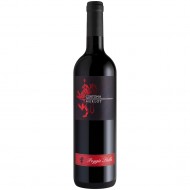

























Prodotti Consigliati



Montepulciano Storia ed Enogastronomia
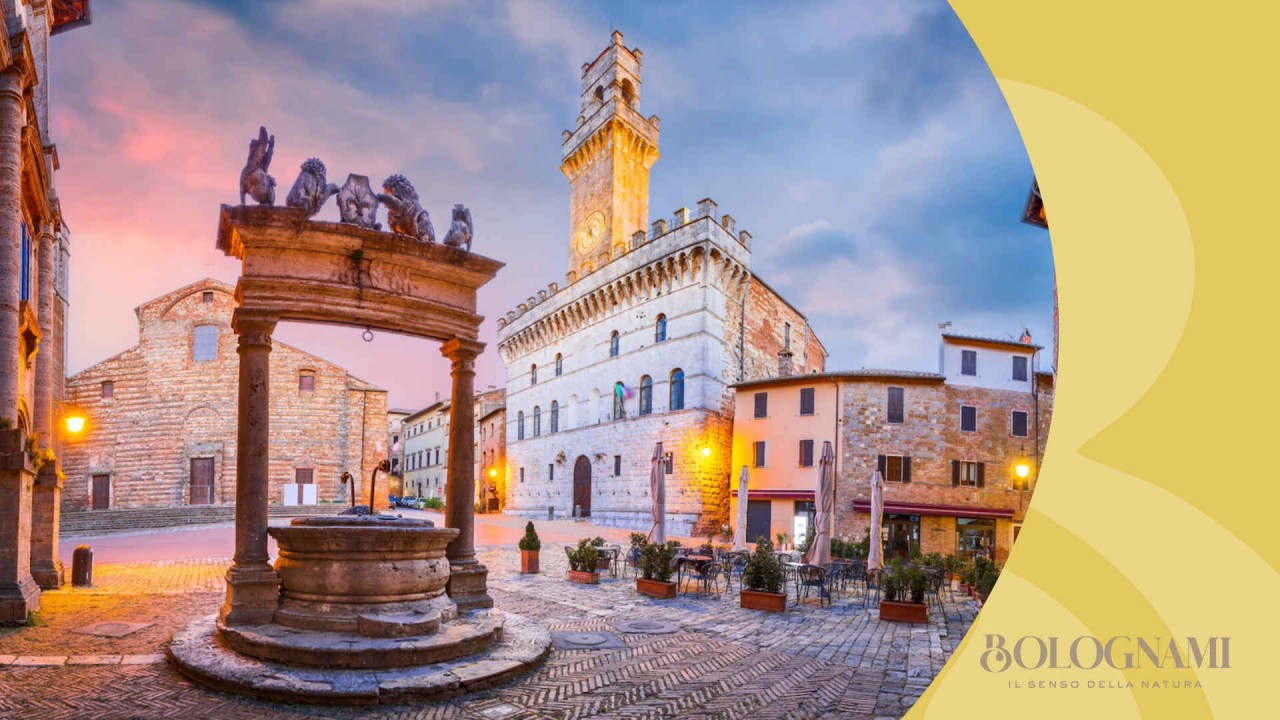
Montepulciano è uno dei borghi medievali e rinascimentali più affascinanti della Toscana. Situato in provincia di Siena, sorge su un colle calcareo a circa 605 metri sul livello del mare, offrendo una vista straordinaria a cavallo tra la Val d'Orcia e la Valdichiana. Famoso in tutto il mondo sia per la sua ricchezza architettonica che per le sue eccellenze enogastronomiche, la prima fra tutte il Vino Nobile e come diceva lo scienziato e poeta Francesco Redi, nel suo celebre ditirambo "Bacco in Toscana", "Montepulciano d'ogni Vino è il Re!"
Montepulciano la Sua Storia Attraverso i Millenni
La leggenda fà risalire le origini della fondazione di Montepulciano al re etrusco Porsenna, il quale si sarebbe trasferito qui da Chiusi per sfuggire alle invasioni dei barbari. Al di là del mito, i ritrovamenti archeologici confermano che la zona fosse abitata già in epoca etrusca e successivamente romana. Il nome stesso sembra derivare dal latino Mons Politianus, indicando probabilmente un colle di proprietà di qualche famiglia patrizia romana (i Politii). I primi documenti scritti che menzionano ufficialmente il castello di "Montem Politianum" risalgono al 715 d.C., in piena epoca longobarda. A partire dal XII secolo, Montepulciano si ritrova al centro di una morsa geopolitica feroce. Da un lato la potente Siena, vicina e minacciosa; dall'altro Firenze, più lontana ma desiderosa di un avamposto per arginare l'espansione senese. Per preservare la propria indipendenza, i poliziani scelsero quasi sempre l'alleanza con Firenze. Questo costò al borgo continui assedi, distruzioni e repentine riconquiste. Tutto ciò ando avanti per oltre due secoli è peggiorò dopo la sconfitta di Firenze nella Battaglia di Montalerti, ma nel 1511, dopo l'ennesima ribellione e una breve parentesi senese, Montepulciano si consegna definitivamente alla Repubblica Fiorentina e alla famiglia de' Medici. Con l'ingresso definitivo nell'orbita fiorentina, Montepulciano smette di essere una fortezza di frontiera sempre in guerra e si trasforma in un centro di immensa rilevanza culturale e politica. È in questo periodo che il borgo assume l'aspetto elegante che ammiriamo oggi. Cosimo I de' Medici invia a Montepulciano i più grandi architetti dell'epoca per ridisegnare la città. Artisti del calibro di Michelozzo, Baldassarre Peruzzi e Antonio da Sangallo il Vecchio edificano i maestosi palazzi nobiliari e i monumenti di Piazza Grande e il bellissimo Tempio di San Biagio. Questo fermento non è solo architettonico ma anche culturale: Montepulciano dà i natali a Agnolo Ambrogini, detto il Poliziano (1454-1494), uno dei più grandi poeti umanisti del Rinascimento, strettissimo collaboratore di Lorenzo il Magnifico e precettore dei suoi figli. Nel 1559, con la caduta definitiva della Repubblica di Siena, tutta la regione viene unificata sotto il Granducato di Toscana. Montepulciano perde parte della sua rilevanza strategica militare ma consolida il suo ruolo di importante centro agricolo, religioso (diventando sede vescovile nel 1561) e giuridico della Valdichiana. Nel XVIII secolo, sotto la dinastia dei Lorena, inizia l'immensa opera di bonifica della Valdichiana, guidata dall'ingegnere Vittorio Fossombroni, cancella le paludi malsane che circondavano la zona, regalando a Montepulciano una nuova e fertilissima spinta economica legata all'agricoltura e, naturalmente, alla produzione del suo già celebre Vino. Nel 1860, tramite plebiscito, il borgo entra a far parte del Regno d'Italia
La Magnificenza del Nobile di Montepulciano
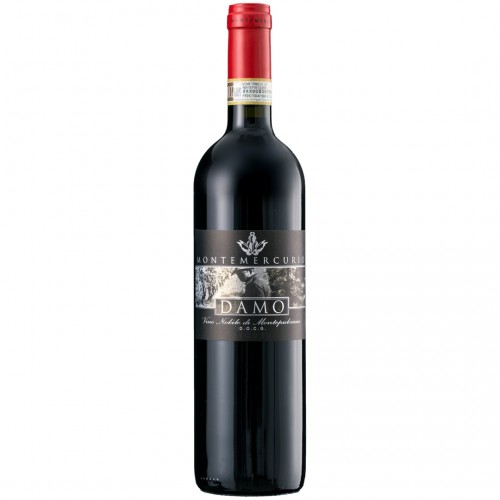
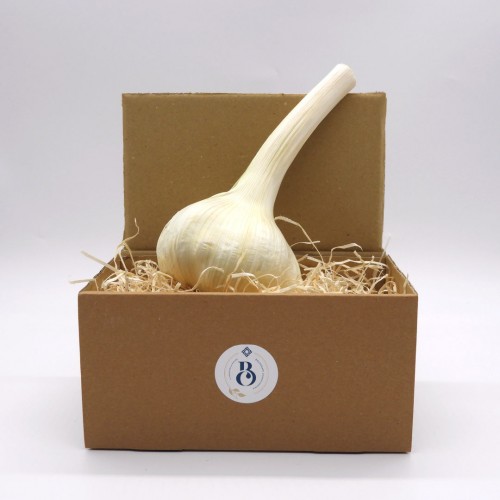
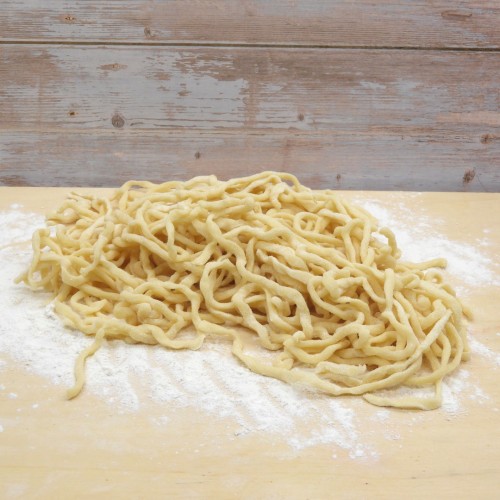
Il legame con il Vino è antico quanto Montepulciano stesso, affonda le radici al tempo degli Etruschi. Nel Museo Civico della città sono custoditi numerosi vasi vinari e reperti nel territorio che testimoniano come la viticoltura fosse già allora un'attività centrale. Il primo documento scritto che attesta formalmente la produzione di Vino a Montepulciano risale al 789 d.C. (pieno Medioevo): un contratto d'affitto con cui il chierico Arniperto donava alla Chiesa di San Silvestro una terra coltivata a vigneto posta sul colle poliziano. Nel corso del Rinascimento, la qualità del Vino locale era già così alta e rinomata da essere riservata quasi esclusivamente alle mense della nobiltà e dell'alto clero. Nel Cinquecento, Sante Lancerio, bottigliere di Papa Paolo III Farnese, decantava il Rosso di Montepulciano come "perfettissimo tanto il verno quanto l'estate" e lo descriveva come un vino da signori. Il vero e proprio "spot pubblicitario" dell'epoca arrivò nel 1685 grazie allo scienziato e poeta Francesco Redi. Nel suo celebre ditirambo Bacco in Toscana, un lungo componimento in cui il dio del vino assaggia e valuta i vini della regione, Redi conclude con una sentenza che è rimasta scolpita nella storia: "Montepulciano d'ogni vino è il Re!" Fino al Settecento il Vino era conosciuto semplicemente come "Vino Rosso Scelto di Montepulciano". L'appellativo "Nobile" nasce ufficialmente per ragioni commerciali e di prestigio sociale. Le famiglie aristocratiche di Montepulciano non si limitavano a consumarlo, ma lo producevano direttamente nelle cantine sotterranee dei loro palazzi. Era il vino che i Nobili offrivano agli ospiti illustri o usavano come prezioso dono diplomatico. Il termine fu codificato definitivamente nella prima metà dell'Ottocento per distinguere questa produzione d'eccellenza dal vino comune destinato al popolo. Il Vino Nobile, che conosciamo oggi, rinascie e si sviluppa negli anni '20 del Novecento grazie all'intuizione di produttori come Adamo Fanetti, che ne rilanciano il nome nelle grandi fiere nazionali. Il vero riscatto burocratico e qualitativo arriva però nella seconda metà del secolo, quando l'Italia decide di regolamentare i suoi vini di pregio, cosi nel 1966 il Vino Nobile ottiene la Denominazione di Origine Controllata (D.O.C.) e nel 1980 diventa il Primo Vino Italiano in assoluto a porersi fregtiare della Denominazione di Origine Controllata e Garantita (D.O.C.G.), il massimo riconoscimento di qualità della legge italiana. Una parte della Notra azzienda agricola Bolognami è proprio a Montepulciano e in questi terreni fertilissimi della Valdichiana produciamo il rinomatissimo Aglione una delle eccellenza culinarie della Toscana e di tutta Italia, non che i famosi e salutari Grani Antichi Toscani come il Verna e il Frassineto adatti per il Pane Toscsano D.O.P., i famosi Pici, che tutti ci imitano e ci invidiano, ma di qui sono originari realizzati solo con le farine di questi Grani
Lascia un Commento