

























Related Products


The History of the Umbrian Torta al Testo
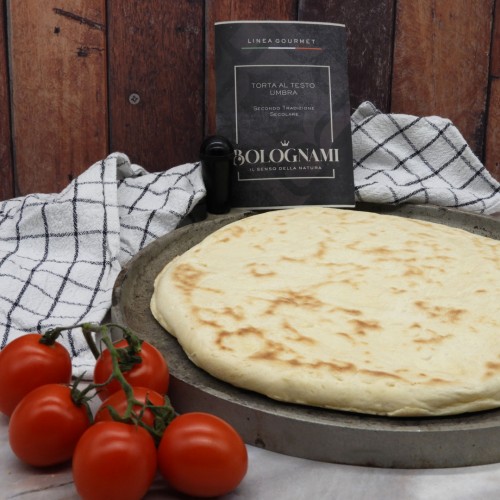
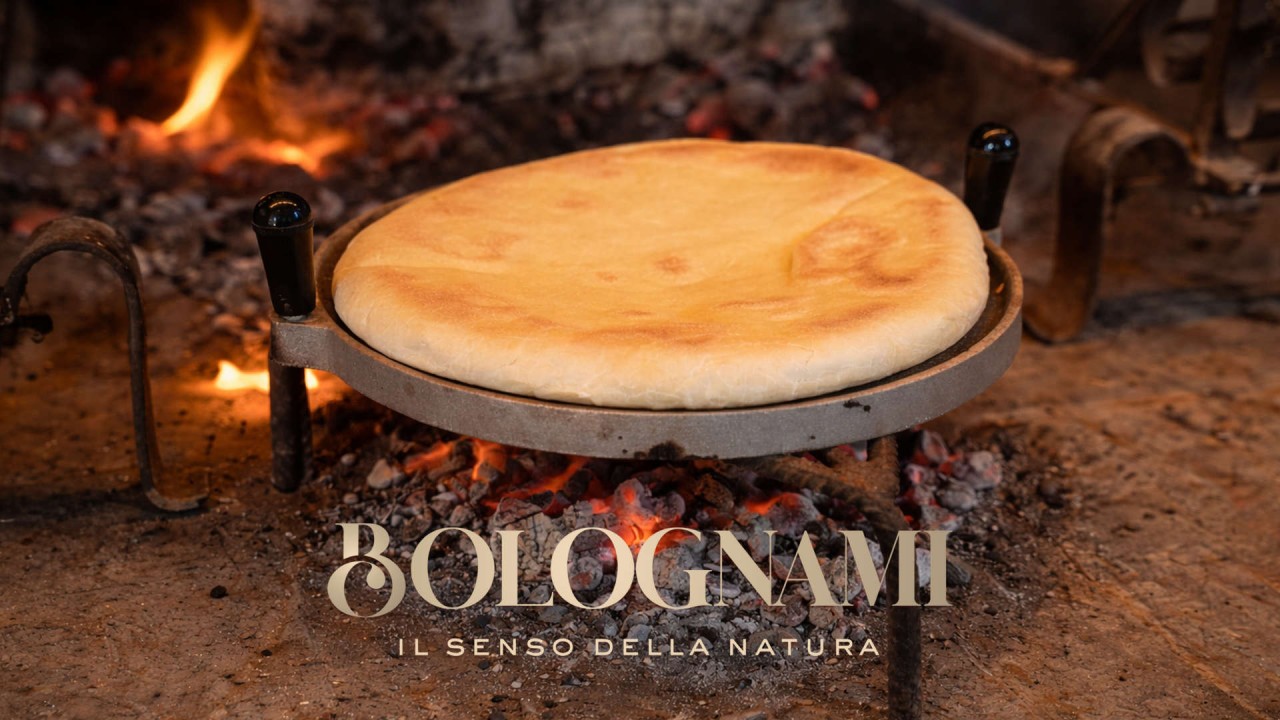
For us Umbrians, Torta al Testo is more than food it is history, culture, tradition, and family. Within our region, it goes by various names depending on the area: Crescia in Gubbio, or Torta Sotto lu Focu (Cake Under the Fire) in Terni. However, the result and the pleasure of eating it are always the same: the wonder of simple things
Ancient Origins Lost to Time
The Torta al Testo likely traces its roots back to the Roman era. It is believed to be a direct descendant of the unleavened focaccia that Roman soldiers cooked on glowing hot stones. Originally, it consisted only of flour, water, and a pinch of salt. The secret of its name lies entirely in the cooking tool: the Testo. This is a disc about 3 cm thick, originally made of refractory stone or terracotta (from the Latin testum, the terracotta lid used for cooking). Today, we use discs made of cast iron or refractory cement, heated directly over a gas flame or among the embers of a fireplace. Historically, Torta al Testo was known as "The Bread of the Poor." In the Umbrian countryside, farmers would bake leavened bread in wood-fired ovens only once a week. If the bread ran out early, or if they didn't want to light the large oven, they turned to the Torta al Testo: quick to prepare and easy to cook directly on the domestic hearth
A Recipe Unchanged by Time
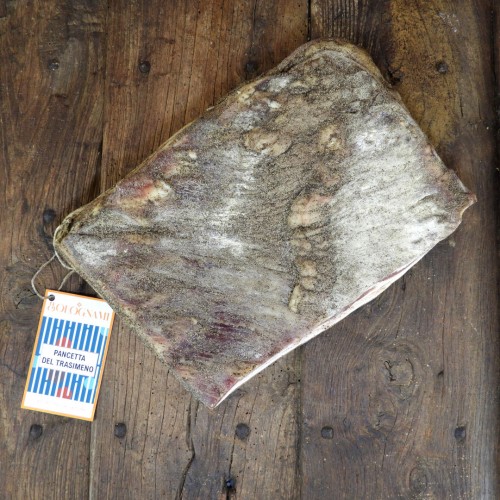
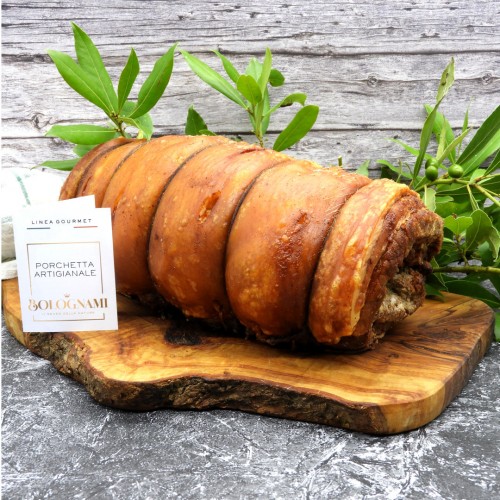
The recipe has remained virtually unchanged over the centuries, though today many add a pinch of baking soda or instant yeast to make it less tough. It requires just a few quality ingredients and a bit of "elbow grease" to knead: soft wheat flour, water, salt, and occasionally a splash of Umbrian Extra Virgin Olive Oil or Pork Lard. Once the Testo is piping hot, the dough is rolled out and pricked with a fork to prevent it from puffing up too much. You know it’s ready when it begins to change color and, when tapped with your knuckles, emits a dull, "dry" sound. How to enjoy it traditions vary by town: in Perugia: it is traditionally eaten with Coniglio all'Arrabbiata, which doesn't mean "spicy," but refers to a specific local cooking method. Near Lake Trasimeno: It is traditionally sliced open and filled with grilled Umbrian sausage and sautéed greens. In the Assisi area: It’s served warm, stuffed with Umbrian Porchetta. Regardless of the local style, it is delicious with Prosciutto di Norcia PGI, Umbrian pecorino cheeses, and a drizzle of honey if you like. Personally, I am crazy for a warm torta filled with our Coppa di Testa (head cheese), or a reheated slice stuffed with our Trasimeno Pancetta, which melts slightly to release indescribable flavors and aromas. You simply have to taste it to understand
Leave a Comment