









































Prodotti Consigliati

Castiglione del Lago e Bolognami
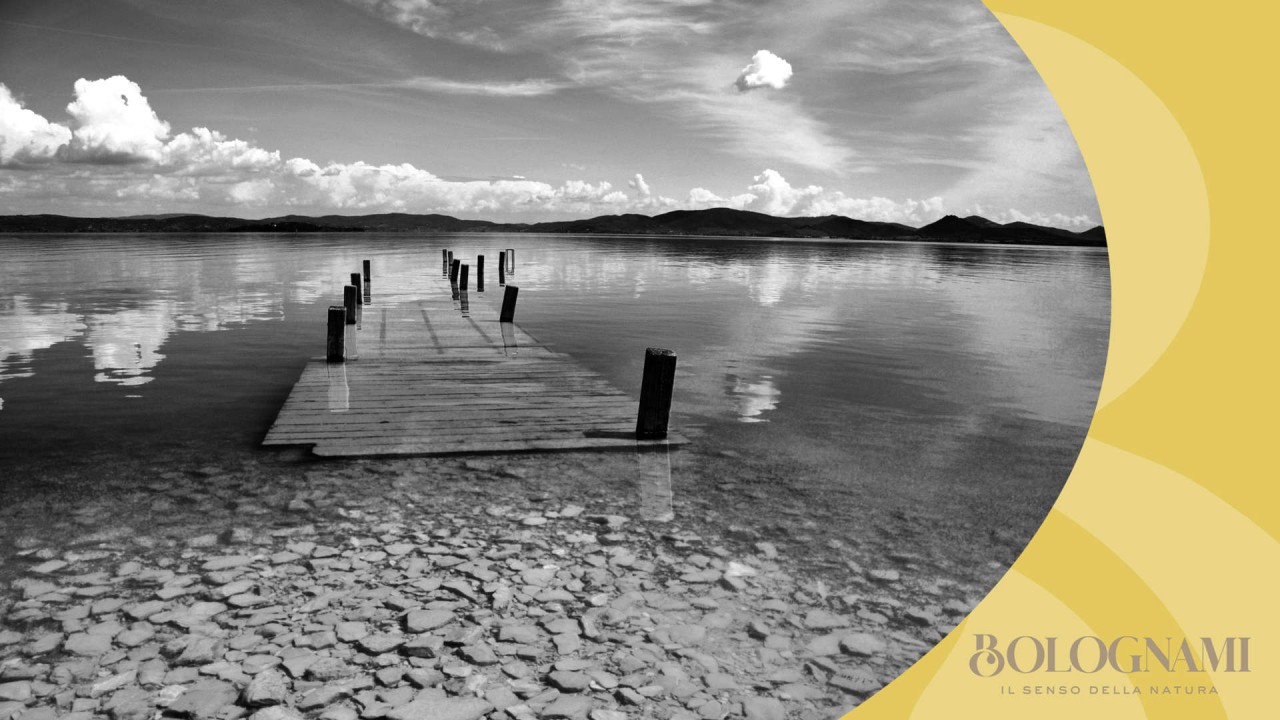
Oggi il Nostro Gianluigi D'Onofrio vi parla di Castigliuone del Lago, il Comune dove è ubucata per il 90% la nostra Azienda Agricola Bolognami. Un bellissimo terrritorio ricco di Storia Millenaria e di tradizioni, di quella coltura del saper vireve bene, del buon mangiare e del buon bere, perchè l'enogastronomia è cultura se specialmente fatta da piccola realtà attente alla conservazione del territorio e delle biodiversità adottando un agricoltura del tipo ecosotenibile, come la nostra. Situato su un promontorio calcareo sulla sponda occidentale del Lago Trasimeno, Castiglione del Lago è uno dei borghi più affascinanti dell'Umbria, ufficialmente riconosciuto tra i "Borghi più Belli d'Italia". Racchiuso entro mura medievali, vi si accede attraverso tre antiche porte: Porta Fiorentina, Porta Senese e Porta Perugina. Il borgo è dominato dal complesso monumentale formato dal Palazzo della Corgna e dalla Rocca del Leone, collegati da un suggestivo camminamento coperto. La Rocca del Leone e stata costruita nel XIII secolo per volere di Federico II di Svevia, è una fortezza a pianta pentagonale irregolare che ricorda la costellazione del Leone. Offre una vista mozzafiato su tutto il Lago Trasimeno ed è spesso sede di eventi e spettacoli all'aperto. Il Palazzo della Corgna, unica reggia umbra esistente, fu la residenza dei marchesi della Corgna. Le sue sale sono celebri per gli splendidi affreschi di fine Cinquecento realizzati da Niccolò Circignani, detto "Il Pomarancio"
La Storia Millenaria di Castiglione del Lago
La storia di Castiglione del Lago è una narrazione di potere, strategia militare e trasformazioni architettoniche, legata indissolubilmente alla sua posizione dominante sul Lago Trasimeno. Il promontorio su cui sorge il borgo era anticamente la quarta isola del Lago, prima che l'abbassamento del livello delle acque creasse l'istmo attuale. Prima fu Etrusca dove tracce di insediamenti suggeriscono che la zona fosse un punto di controllo tra le potenti lucumonie di Chiusi, Cortona e Perugia, poi fu Romana, divenendo un centro agricolo e strategico lungo la direttrice della Via Cassia con il nome antico, Castellum Leonis, da cui Castiglione, pare derivi proprio dalla forma del promontorio o dal nome di una legione. Durante il Medioevo, Castiglione fu oggetto di aspre contese a causa della sua posizione di confine e nel XII secolo il borgo passò sotto il controllo di Perugia, che ne fece un avamposto militare fondamentale contro la vicina Toscana. Nel 1247, l'imperatore Federico II di Svevia ordinò la distruzione del vecchio abitato e la costruzione della Rocca del Leone, fu lui a volere la pianta pentagonale ispirata alla costellazione del Leone, rendendola una delle fortezze più inespugnabili dell'epoca. Il periodo di massimo splendore iniziò nel 1550, quando Papa Giulio III concesse il feudo a sua sorella, Giacoma Ciocchi del Monte, e a suo figlio Ascanio, nel 1563 Castiglione del Lago divenne un Marchesato e poi Ducato nel 1617. Ascanio della Corgna fu un celebre condottiero, architetto militare e spadaccino, famoso per un leggendario duello vinto a Firenze. Sotto il suo governo, il borgo si trasformò da fortezza militare a corte rinascimentale, cosi fu trasformata la vecchia casa torre nel maestoso Palazzo della Corgna, decorato con cicli di affreschi che celebravano le gesta della famiglia e i miti classici. Con la morte dell'ultimo duca, Fulvio Alessandro, nel 1647, la dinastia dei della Corgna si estinse e il territorio tornò sotto il controllo diretto della Camera Apostolica cioè lo Stato Pontificio. In questo periodo, Castiglione perse il suo ruolo di centro politico vivace trasformandosi in un tranquillo borgo agricolo e di pescatori, mantenendo però intatto il suo assetto urbanistico cinquecentesco. Nel 1860, con l'unificazione italiana, Castiglione del Lago entrò a far parte del Regno d'Italia. Furono fatte delle Bonifiche tra il XIX e il XX secolo eseguendo importanti regolamentazioni delle acque del lago, che limitarono le paludi e la malaria. Durante Seconda Guerra Mondiale il borgo fu teatro di scontri lungo la "Linea Trasimeno", ma fortunatamente il patrimonio monumentale non subì danni irreparabili. Oggi, camminando per le sue strade, la storia è ancora leggibile: la divisione netta tra il borgo fortificato e la zona residenziale moderna racconta di un passato dove la difesa e il prestigio erano le uniche leggi che contavano
Lascia un Commento