
































Prodotti Consigliati
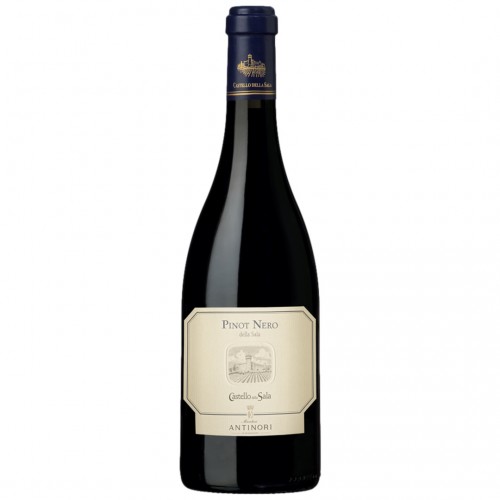
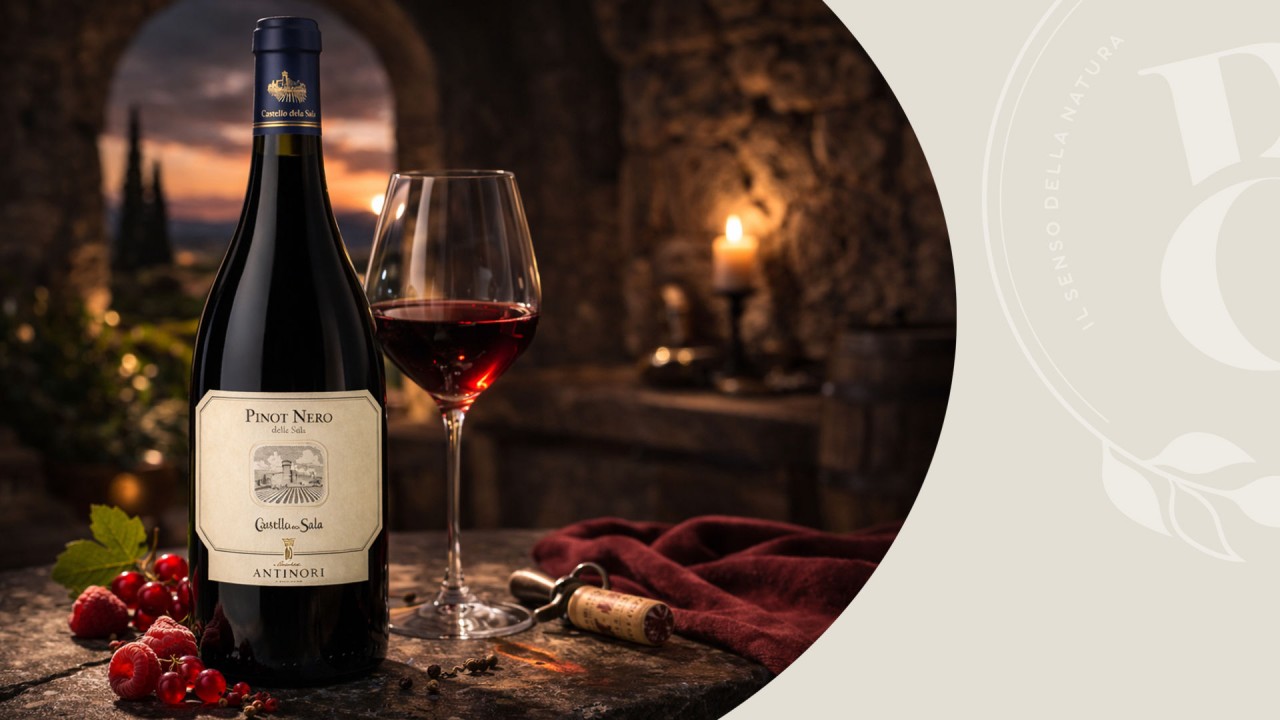
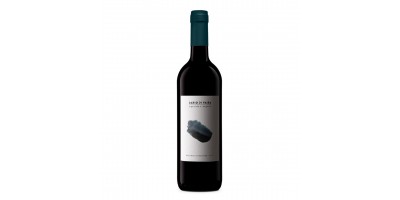
Pinot Nero Castello della Sala Antinori Umbria I.G.T.
Il Pinot Nero Castello della Sala Antinori Umbria I.G.T., è prodotto dal 1990 da uve Pinot Nero è, in un certo senso, “l’alter ego” del Cervaro della Sala, insieme rappresentano le due diverse espressioni dell’anima complessa e raffinata del Castello della Sala. I vigneti da cui è prodotto sono situati a oltre 400 metri s.l.m. su suoli calcarei ricchi di fossili con sabbie di origine sedimentaria che risalgono al Pliocene
Il Castello della Sala è una delle Tenute più Iconiche della Famiglia Antinori
la Tenuta il Castello della Sala di Antinori è situata in Umbria, a pochi chilometri da Orvieto e dal confine con la Toscana. È un luogo dove storia medievale e innovazione enologica si fondono perfettamente. In origine Il castello fu costruito nel 1350 da Angelo Monaldeschi della Vipera, la cui famiglia era legata alle lotte di fazione di Orvieto. La struttura è una magnifica fortezza medievale circondata da vigne, con una torre che domina la valle e cantine sotterranee scavate nel tufo, ideali per l'affinamento dei vini. La proprietà fu acquistata da Niccolò Antinori nel 1940 con l'obiettivo di produrre grandi vini bianchi in una regione, l'Umbria allora meno conosciuta per questa tipologia rispetto ai rossi.
Il Carattere del Pinot Nero Castello della Sala Antinori Umbria I.G.T.
Il Pinot Nero Castello della Sala Antinori Umbria I.G.T. è realizzato con uve Pinot Nero in purezza, è una delle sfide più affascinanti della famiglia Antinori: produrre un rosso d’eccellenza in una terra, l'Umbria, vicino a Orvieto, storicamente vocata ai grandi vini bianchi. Di colore Rosso rubino tenue o granato brillante, tipico della varietà, all'olfatto si presenta con note delicate di piccoli frutti rossi (ciliegia, ribes, fragoline), violetta e rosa, con tocchi speziati di pepe rosa, di gusto elegante, setoso e sapido, i tannini sono molto fini e dolci, con una chiusura persistente e fresca.
I Migliori Abbinamenti per il Pinot Nero Castello della Sala Antinori Umbria I.G.T.
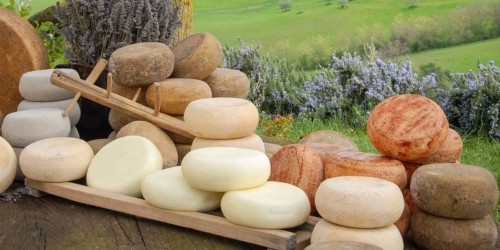
Il Pinot Nero Castello della Sala Antinori Umbria I.G.T. si sposa magnificamente con carni bianche arrosto, piatti a base di funghi (risotti o tagliatelle), selvaggina da piuma o formaggi pecorini di media stagionatura. Notevole già se bevuto adesso, ma suggeriamo di lasciarlo riposare in cantina per raggiungere una piena e armoniosa maturità, con importanti evoluzioni aromatiche. Capacità di invecchiamento di oltre 5 anni. Servire tra 16°C e 18°C in calici di media ampiezza
Lascia un Commento