







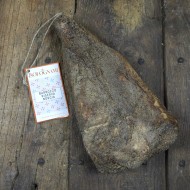

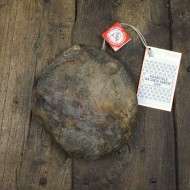























Prodotti Consigliati
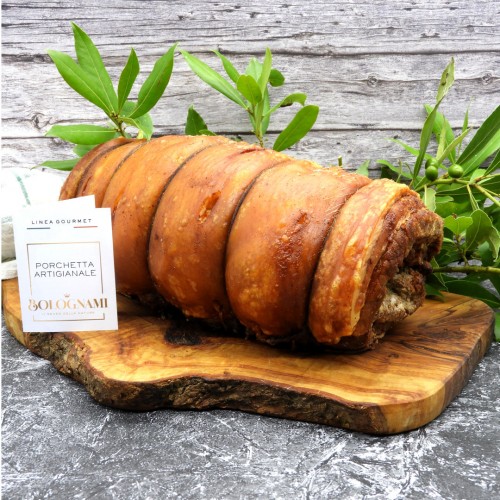
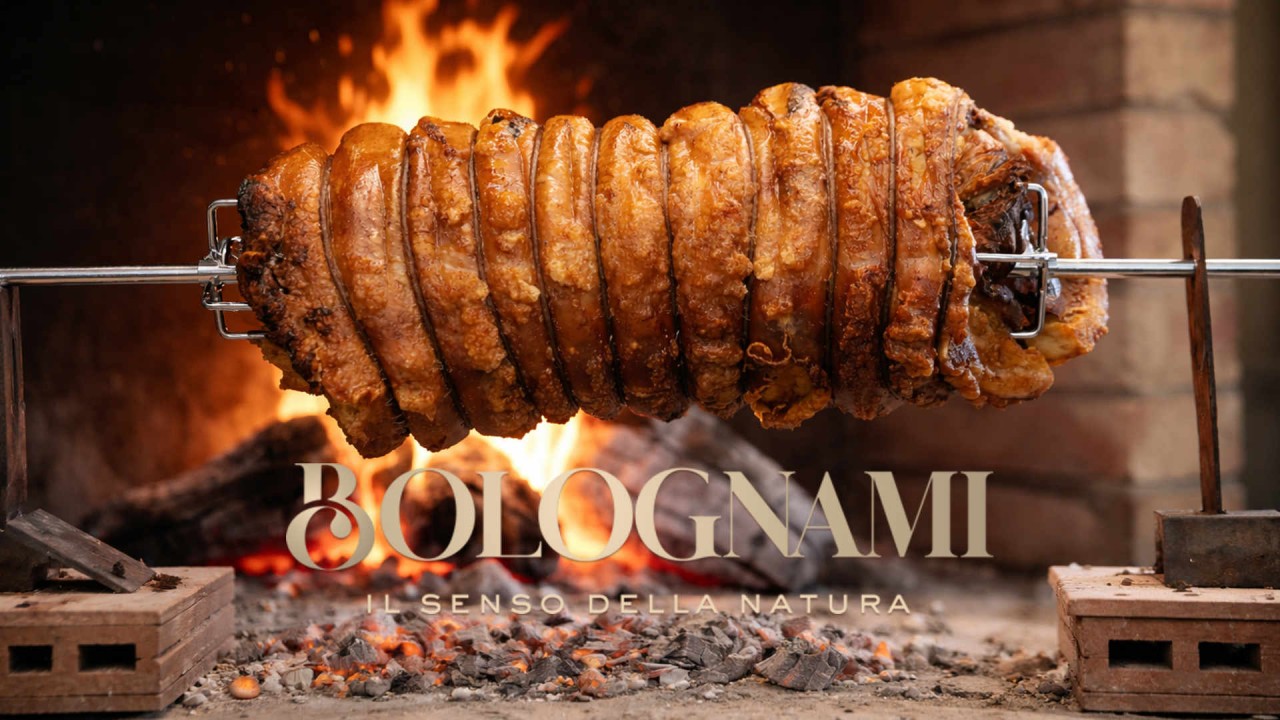
La Porchetta Umbra Originale
La Porchetta Umbra, quella Originale è una tradizione millenaria che ci contendiamo con il Lazio per il primato della "paternità" di questo capolavoro norcino, solo questa definizione però chiuderebbe il discoso visti che Norcia non è sicuramente laziale. In Umbria, la porchetta non è solo cibo: è un rito sociale, un monumento gastronomico che troneggia nei mercati rionali e nelle feste di paese e in quelle private, subito ti mette allegria e omaggia la convivialità. Oggi è sempre più difficile trovare la Vera Porchetta Umbra perchè con l'avvento, anche da noi, della grande ditribuzione alimentare c'è stato un appianttimento del gusto e sistemi diversi di preparaezione e cottura per abbassare i prezzi con risultati al quanto discutibili. Noi di Bologanmi, invece siamo dei veri cultori e custodi della Tradizione e la realizziamo proprio come deve essere fatta, ed è una vera opera d'arte Culinaria alla quale non si può rinunciare
La Religiosa Prepazione della Porchetta Umbra
La Porchetta Umbra Origine ha origini che risalgono al Medioevo e la sua storia è sicuramente un viaggio affascinate intrecciando leggende religiose, abilità artigianali e la necessità rurale di non sprecare nulla. Sebbene la disputa con il Lazio sia eterna, l'Umbria vanta radici che affondano direttamente nell'epoca pre-romana con narrazzioni che nella nostra zona risalgono agli Etruschi. In epoca romana, il maiale era l'animale preferito per i sacrifici a divinità come Marte o Cerere, la tecnica di svuotare l'animale e cuocerlo intero era un modo per nutrire grandi folle durante le celebrazioni pubbliche. Alcuni storici indicano l'antico municipio di Ocriculum (l'odierna Otricoli, in provincia di Terni) come uno dei primi centri di diffusione di questa pratica, grazie alla sua posizione strategica lungo la Via Flaminia. Il vero salto di qualità avviene nel Medioevo, l'Umbria, e in particolare la zona di Norcia, divenne così famosa per la lavorazione del maiale che il termine "norcino" passò a indicare, in tutta Italia e anche in gran parte dell'Europa, lo specialista della carne suina. I monaci benedettini e le abbazie umbre giocarono un ruolo chiave nella conservazione delle tecniche di norcineria, la Porchetta diventò il cibo delle fiere e dei mercati che sorgevano intorno ai monasteri e cosi diventò un alimento "democratico", veniva servita durante i banchetti dei signori (spesso portata intera come centrotavola scenografico) e venduta a fette nei mercati per i contadini. A pertire dal 1800 la figura del porchettaio diventa iconica, originariamente la porchetta veniva trasportata su carretti spinti a mano o trainati da asini, non esisteva (e non esiste tuttora) festa di paese in Umbria senza il banchetto della Porchetta. È storicamente il primo esempio di "Street Food" italiano: un pasto completo, proteico e facile da consumare in piedi
La Ricetta della Porchetta Umbra e i Suoi Segreti
Personalmente ritengo, chi conoscie il prodotto è sicuramenbte d'accordo come, che la Porchetta Umbra è in assoluto la migliore d'Italia e le altre sono solo copie e spesso venute anche male, le quali si fanno chiamare Porchetta senza averne alcun diritto. Per la preparazione della Porchetta Umbra ci sono dei segreti che spesso vengono tramandati solo strettamente in famiglia, riguardano in particolr modo la miscelazione delle spezzie e degli aromi da mettere all'interno, gli ingredienti chiave sono il Sale, il Pepe Nero, l'Aglio (spesso in camicia), la differenza sostanziale tra la Porchetta Umbra e tutte le altre risiede nella speziatura. La versione umbra è caratterizzata da un uso generoso e sapiente del Finocchio Selvatico, spesso fresco con i fiori e i suoi rami e non solo, una delle cose fondamentali prevede che il fegato, il cuore, i polmoni e le orecchie vengano conditi e reinseriti all'interno. Questo passaggio conferisce alla carne un sapore profondo, quasi "selvatico" e inconfondibile. La preparazione pe la cottura richiede una manualità da vero artista del settore alimentare, il maiale (rigorosamente femmina, per una carne più tenera e profumata) viene disossato con cura per creare una "sacca" omogenea, viene riempito di tutti gli ingredienti e poi arriva la maestria della legatura, viene così cucita con spago di canapa per mantenere la forma e trattenere i succhi. La tradizione vuole che sia cotta usando il forno a legna, oggi, pur usandone di moderni, la cottura deve essere lenta (dalle 5 alle 8 ore) per permettere al grasso di sciogliersi e alla pelle di diventare la mitica "crosta". Una vera Porchetta Umbra si riconosce dal suono, la Cotenna del maiale (la crosta) deve essere color ambra, lucida e, al taglio, deve "scrocchiare", se è gommosa e battendoci sopra le nocchie della mano non suona non è una Porchetta Umbra Originale fatta a regola d'arte, la nostra di Bolognami lo è
Lascia un Commento